Dr. Seaward defines stress as a stimulus-response interaction. He compares the
stressors to stimuli and identifies the reaction to the stimulus as a stress
response. This operational definition permits us, to identify stressors into
categories in order to better understand that stressful events have only a potential
to elicit a fight-or-flight response.
Psychological
(emotional), Physical, Social, Spiritual (Philosophical) The following pictures are an example of each.
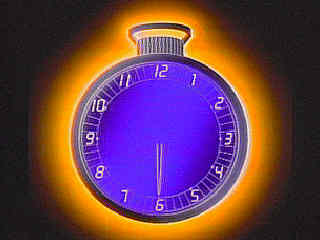


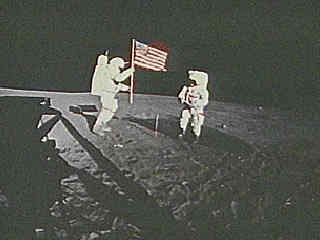
 Classify your previously listed 10 events, into the categories of stressors:
1.
2.
3.
4.
5.
6.
7.
8.
9.
10.
Answer the
following questions.
1.How do you usually cope with the different
categories of stressors?
2.Do you cope the same way with different
stressors? Why or why not?
3.Do you see any advantages in classifying
stressors?
4.Do you see any pitfalls in attempting to classify
stressors? Explain your reasoning.
5.What have you learned that was
most important?
1. Brian Luke Seaward, Managing
Stress-Principles and Strategies for Health and Wellbeing, 6th. ed.,
Boston: Jones and Bartlett Publishers, 2009, pages 6 -10
Email:
rbrehm@msn.com
Telephone: Cell
206-930-4197.
Copyright © 1998 [Robert Brehm]. All rights reserved.
 Dr. Hans Selye, Dr. Holmes, and Rahe
provided research that linked stress to damage or illness resulting from
environmental conditions or events. Others such as, Richard Lazarus, referenced by
Brian Luke Seaward
[1] defined
"stress" so encompassing that it included an individual's cognitive interpretation of the environmental demands, the individual's coping skills, and an
individual's appraisal of using these skills in its interaction in responding to those
environmental demands.
Dr. Hans Selye, Dr. Holmes, and Rahe
provided research that linked stress to damage or illness resulting from
environmental conditions or events. Others such as, Richard Lazarus, referenced by
Brian Luke Seaward
[1] defined
"stress" so encompassing that it included an individual's cognitive interpretation of the environmental demands, the individual's coping skills, and an
individual's appraisal of using these skills in its interaction in responding to those
environmental demands.